▲
Dr. Tomio Takeuchi (Representative Director) was elected as MCRF Chairman. Ubenimex (Bestatin ®) was marketed as an anticancer antibiotic. MCRF hosted a symposium marking the 25th anniversary of Institute of Microbial Chemistry. Proceedings: “Horizons on Antibiotic Research,” Ed. by B. D. Davis et al., 1988, Japan Antibiotic Research Association.
Dr. Hamao Umezawa, the MCRF founder, passed away at the age of 72 years. He was an internationally respected researcher in the fields of medicine, biology, pharmacology, and organic chemistry. His major achievements include the discovery of kanamycin, bleomycin, and kasugamycin are used to promote human health and welfare.
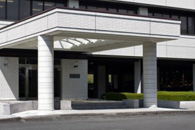
Institute of Chemotherapy was established in Miyamoto, Numazu-shi, Shizuoka to promote chemotherapeutic and immunotherapeutic research.The institute was equipped with modern animal experimentation and radiological facilities.
MCRF’s contributions to academic research were officially praised. MCRF was then approved by the Ministry of Health and Welfare and the Ministry of Education, Science, Sports and Culture. MCRF hosted the “Trends in Antibiotic Research” symposium.Proceedings: “Trends in Antibiotic Research,” Ed. by H. Umezawa et al., 1982, Japan Antibiotic Research Association. Aclarubicin was marketed as an anticancer antibiotic.
Peplomycin was marketed as an anticancer antibiotic.
MCRF hosted a symposium marking the 5th anniversary of the Institute of Bioorganic Chemistry. Proceedings: Jap. J. Antibiot, 32, supplement (1979).
MCRF hosted a symposium marking the institute’s 15th anniversary. Proceedings: Jap. J. Antibiot, 30, supplement (1977).
Dibekacin was marketed as an antimicrobial antibiotic.
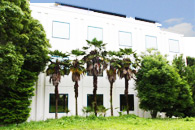
Institute of Bioorganic Chemistry was established in Ida, Nakahara-ku, Kawasaki-shi, Kanagawa to study organic synthesis.
Dr. Tokuji Ichikawa was elected as MCRF President. Dibekacin, a derivative of kanamycin B, was synthesized and shown to be widely effective against several strains, including Pseudomonas aeruginosa.