The mouse is the most widely used laboratory animal in life science research. The Animal facility primarily conducts preclinical studies using mice to generate data that serve as the foundation for drug development.
Themes
Generation and Characterization of Genetically Engineered Mice
Toxicity and Pharmacokinetic Studies
Evaluation of Antibacterial Activity in Mouse Infection Models
Evaluation of Antibacterial Activity in Mouse Tumor Models
Theme Outlines
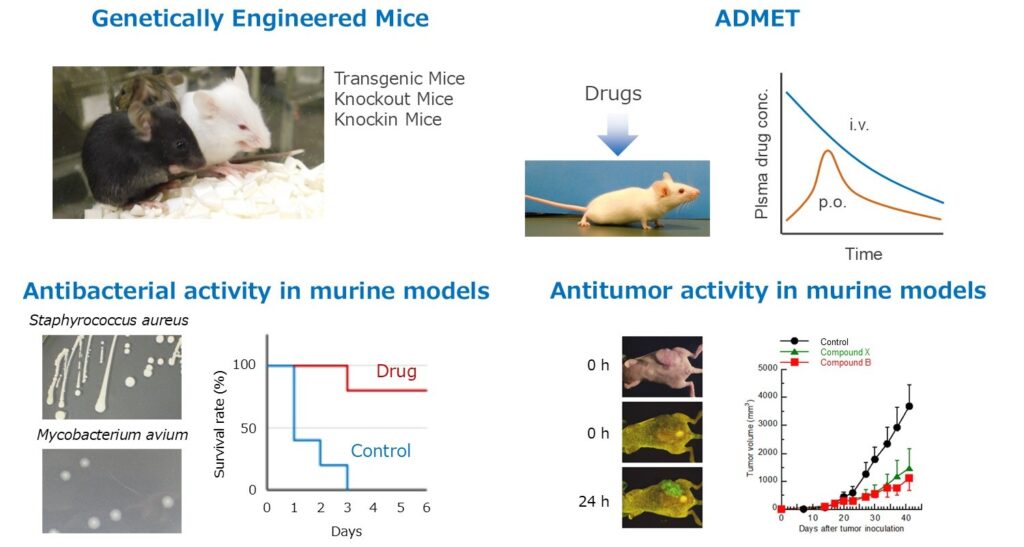
Fig.1 Preclinical Studies Using Mouse Models
1. Generation and Characterization of Genetically Engineered Mice
Our laboratory generates a variety of genetically engineered mouse models, including gene knockout mice, gene knock-in mice, and transgenic mice expressing exogenous genes. By analyzing the relationship between genetic modifications and in vivo phenotypes, we aim to elucidate the biological functions of genes. Furthermore, these genetically engineered mouse models are utilized to validate drug targets, investigate mechanisms of action, and predict the toxicity and adverse effects of candidate therapeutics, thereby contributing to the research and development of novel medicines.
2. Toxicity and Pharmacokinetic Studies
In toxicity studies, mice are administered candidate compounds and monitored for a defined period to assess their general condition and survival. These studies are conducted to determine the median lethal dose (LD50) and the maximum tolerated dose (MTD).
In pharmacokinetic studies, we investigate the absorption, distribution, metabolism, and excretion (ADME) of candidate compounds to characterize their pharmacokinetic profiles and to support the development of safe and effective pharmaceuticals.
3. Evaluation of Antibacterial Activity in Mouse Infection Models
Mouse models of bacterial infection, including those caused by Staphylococcus aureus and nontuberculous mycobacteria (NTM), are used to evaluate the in vivo antibacterial activity of candidate compounds. Therapeutic efficacy is comprehensively assessed using survival rate, bacterial burden in organs (colony-forming units; CFU), and changes in body weight as evaluation endpoints.
4. Evaluation of Anticancer Activity in Mouse Tumor Models
Mouse tumor models, including xenograft and syngeneic models, are used to evaluate the in vivo anticancer activity of candidate compounds. In addition, orthotopic tumor models and metastasis models using cancer cells expressing green fluorescent protein (GFP) or luciferase are employed to comprehensively assess the anticancer efficacy of candidate compounds.
*Ethical Considerations for Animal Research Animal research conducted at the Section of Animal Resources complies with relevant laws, regulations, guidelines, and institutional policies. All animal study protocols are reviewed and approved by the Institutional Animal Care and Use Committee (IACUC) prior to the start of the experiments. We follow the principles of the 3Rs (Replacement, Reduction, and Refinement) and provide appropriate care for laboratory animals while minimizing pain and distress.