▲
Kasugamycin was marketed as an antirice blast pesticide, and josamycin was marketed as an antimicrobial antibiotic.
MCRF hosted the 6th Conference of International Chemotherapy. Bekanamycin was marketed as an antimicrobial antibiotic, while bleomycin was marketed as an anticancer antibiotic.
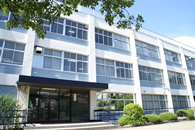
Institute of Episome was established as an affiliated research institute in Fujimi-mura, Seta-gun, Gunma to study the resistant strains and distribution of plasmids (extranuclear genes) involved in resistance.
A new research building was constructed next to MCRF to extend the research program. The clinical effects of bleomycin for the treatment of squamous cell carcinoma were confirmed.
Discovery that kasugamycin exhibited a strong activity against rice blast disease. The compound was shown to have low toxicity; therefore, it was safe as an agricultural chemical.
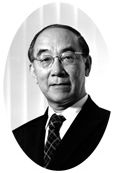
The Research Institute named Institute of Microbial Chemistry: IMC was established in Kamiosaki, Shinagawa-ku, Tokyo (Director, Hamao Umezawa).
Kanamycin was marketed in Japan as a chemotherapeutic agent for the treatment of infections.Furthermore, it was marketed in the U.S. and other countries around the world.The royalties from kanamycin was used to establish the Microbial Chemistry Research Foundation: MCRF (President, Shinji Yoshino; Chairman of the Board, Hamao Umezawa; approved by the Minister of Health and Welfare).
Dr. Hamao Umezawa (Director of Department of Antibiotics, National Institutes of Health and Professor of Research Institute of Applied Microbiology, The University of Tokyo) and co-workers discovered kanamycin, a new antibiotic that proved to be highly effective in treating infections caused by antibiotic-resistant strains.