▲
A memorial lecture meeting was held marking the 90th birthday of the late Dr. Hamao Umezawa.
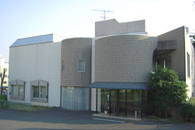
To promote efficiency, MCRF was reorganized into three institutes with IMC, the institute of Bioorganic Chemistry, and the institute of Chemotherapy changing their names to the Microbial Chemistry Research Center (MCRC), the Hiyoshi Medicinal Chemistry Research Institute, and the Numazu Bio-Medical Research Institute, respectively. The institute of Episome was closed. Dr. Yuzuru Akamatsu (Representative Director of MCRF) was elected as MCRC Director.
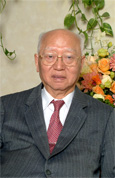
Dr. Tamio Yamakawa was elected as MCRF President(lower picture). Dr. Yoshiaki Nonomura was elected as MCRF Chairman of the Board of Directors.
Shigeo Morioka was elected as MCRF President.
A commemorative ceremony was held.
The New Research Institute annex with library and conference rooms was constructed adjacent to IMC to improve the research environment. Gusperimus (deoxyspergualin) was marketed as an immunosuppressive agent.
Prof. Sumio Umezawa was elected as MCRF President.
Arbekacin was marketed as an antimicrobial antibiotic.
Aivlosin was marketed as an antimicrobial veterinary medicine.
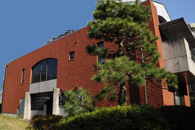
The Hamao Umezawa Memorial Museum was established in Tamagawa, Setagaya-ku, Tokyo to honor the achievements of the MCRF founder the late Dr. Hamao Umezawa. Pirarubicin was marketed as an anticancer antibiotic.